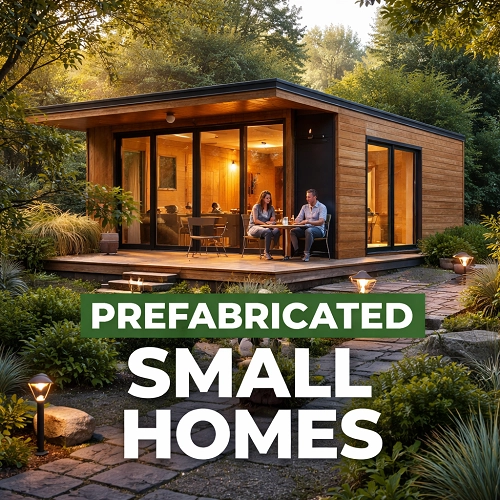
Prefabricated small homes—often called prefab, modular, or tiny homes—have become increasingly popular due to their affordability, efficiency, and modern design. Whether you are looking for a primary residence, a vacation retreat, or an accessory dwelling unit (ADU), buying a prefabricated small home requires careful planning.
1. Purpose and Lifestyle Needs
Before choosing a prefabricated small home, clearly define how you intend to use it. Your purpose will influence size, layout, features, and location.
- Primary residence vs. secondary use: Living full-time in a small home requires more storage, insulation, and durable materials than a weekend or vacation home.
- Household size: Consider how many people will live in the home now and in the future.
- Work-from-home needs: You may need dedicated workspace, strong internet connectivity, and sound insulation.
- Accessibility: Aging in place or accommodating mobility needs may require wider doors, single-level layouts, or ramps.
2. Size, Layout, and Design Efficiency
Small homes demand thoughtful design to maximize usable space.
- Square footage: Ensure the size meets local minimum requirements and your comfort needs.
- Floor plan efficiency: Open layouts, multifunctional furniture, lofts, and built-in storage can significantly improve livability.
- Natural light: Large windows and skylights can make small spaces feel larger and reduce energy use.
- Ceiling height: Higher ceilings often create a sense of openness and allow for loft spaces.
3. Local Zoning, Codes, and Permits
One of the most critical—and often overlooked—considerations is legal compliance.
- Zoning regulations: Some areas restrict minimum home size, prefab structures, or ADUs.
- Building codes: Ensure the home meets local residential building standards, not just RV or temporary structure codes.
- Foundation requirements: Permanent foundations may be mandatory for full-time residences.
- HOA rules: Homeowners associations may limit prefab or non-traditional homes.
Consult local authorities early to avoid costly delays or rejections.
4. Budget and Total Cost of Ownership
Prefab small homes are often marketed as affordable, but total costs can vary widely.
- Base price vs. final price: The advertised price may not include delivery, installation, foundation, utilities, or permits.
- Land costs: If you do not already own land, factor in purchase price, site preparation, and surveys.
- Financing options: Prefab homes may require specialized loans, construction loans, or cash purchases.
- Insurance and taxes: Costs depend on whether the home is classified as real property or personal property.
5. Construction Quality and Materials
Quality varies significantly among prefab manufacturers.
- Structural integrity: Look for steel or engineered wood framing and robust fastening systems.
- Materials used: High-quality insulation, weather-resistant siding, and durable roofing are essential for longevity.
- Energy efficiency: Energy-efficient windows, insulation, and HVAC systems reduce long-term operating costs.
- Manufacturer certifications: Check for third-party inspections and compliance with recognized standards.
6. Customization Options
One advantage of prefabricated homes is design flexibility—but customization often comes at a cost.
- Interior finishes: Flooring, cabinetry, countertops, and fixtures may be upgrade options.
- Exterior appearance: Siding, roofing, and color choices can affect aesthetics and durability.
- Smart home features: Integrated technology for lighting, climate, and security can enhance comfort.
- Future adaptability: Consider designs that allow additions or reconfiguration later.
7. Site Preparation and Installation
Preparing the site can be complex and expensive.
- Foundation type: Slab, crawl space, or pier foundations must match the home design and soil conditions.
- Utility connections: Water, sewer or septic, electricity, gas, and internet access must be available or installed.
- Access for delivery: Narrow roads, steep slopes, or overhead obstacles may complicate transportation.
- Timeline: Installation timelines vary based on weather, permitting, and contractor availability.
8. Climate and Environmental Considerations
Your local environment should guide design and material choices.
- Weather resistance: Ensure the home is rated for wind, snow loads, heat, or humidity in your region.
- Insulation and ventilation: Proper systems improve comfort and prevent moisture issues.
- Sustainability features: Solar panels, rainwater collection, and eco-friendly materials can reduce environmental impact.
- Energy performance ratings: Look for homes designed to meet or exceed energy efficiency standards.
9. Warranty, Support, and Reputation of the Manufacturer
Choosing a reliable manufacturer is crucial.
- Warranty coverage: Review what is covered and for how long—structure, systems, and finishes.
- After-sales support: Confirm availability of service, replacement parts, and technical assistance.
- Customer reviews and references: Research past customer experiences and completed projects.
- Company stability: A well-established manufacturer is more likely to honor warranties long-term.
10. Resale Value and Long-Term Considerations
Even if you plan to stay long-term, resale value matters.
- Market acceptance: Prefab homes are gaining popularity, but acceptance varies by location.
- Permanent vs. movable: Homes on permanent foundations generally retain value better.
- Maintenance requirements: Durable materials and good design reduce ongoing costs.
- Adaptability: Homes that can evolve with changing needs are more future-proof.
Prefabricated small homes offer an appealing blend of affordability, efficiency, and modern living—but they are not a one-size-fits-all solution. By carefully evaluating your lifestyle needs, local regulations, total costs, construction quality, and long-term goals, you can make an informed decision and avoid common pitfalls. With proper planning, a prefabricated small home can be a comfortable, sustainable, and rewarding investment.